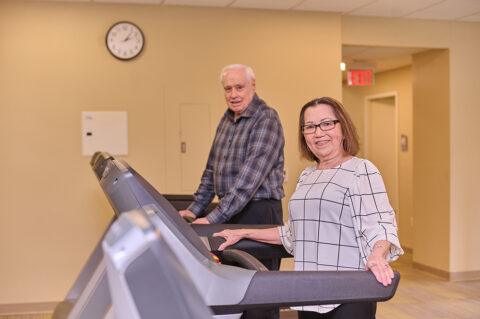

5 Emotional Benefits of Downsizing and Moving to a Senior Living Community

Nobody talks enough about how good it can feel.

When people start thinking about senior living, the conversation usually begins with the practical things.

What are the apartments like?
How does dining work?
What levels of care are available?
What does it cost?

Those questions matter. They should be asked, and we’re always happy to walk through them.

But there’s another side to the decision that doesn’t always get enough attention: how it feels.

Because once the move is made, many people are surprised by the emotional shift that follows. Life can feel a little lighter. More connected. Less complicated. More focused on what matters now.

That’s true for the person making the move, and it’s often true for the family members who love them, too.

Here are five emotional benefits we hear about often at Masonic Village at Burlington.

1. The relief of letting go

After decades in the same home, downsizing can feel like a lot to take on. There are closets to sort through, furniture to make decisions about, and memories tucked into almost every room.

But somewhere along the way, many people realize something important: not everything they own is still serving the life they want to live.

The dining room table that once seated the whole family. The guest room that rarely gets used. The garage full of tools for projects that no longer feel worth the effort. The house that once felt full and busy, but now asks for more time, money, and energy than you want to give it.

Letting go of those things can be emotional. It can also feel surprisingly freeing.

There is something powerful about living in a space that fits your life now, not the life you had twenty years ago. A home that is comfortable, manageable, and still very much your own.

At Masonic Village, residents enjoy comfortable one- and two-bedroom apartment homes with fully equipped kitchens and space for what matters most.

What you leave behind is often more than extra space. It’s the responsibility that came with it.

2. The comfort of not doing everything on your own

Living independently does not mean doing everything by yourself.

For many older adults, staying in a long-time home can quietly become a full-time job. There is always something to schedule, fix, clean, replace, shovel, call about, or keep track of. Even when you can manage it, that does not always mean you want to spend your time that way.

Moving to Masonic Village at Burlington does not take away independence. It gives you support where it helps most.

There is maintenance when something needs attention. Housekeeping to make daily life easier. Scheduled transportation when you want it. An emergency call system for added peace of mind. Staff nearby who get to know you, greet you by name, and notice when something seems different.

That support can also mean a lot to family. Adult children can worry less about the “what ifs” and spend more time simply enjoying visits, conversations, meals, and everyday moments together.

The feeling is not just relief. It is comfort. Comfort in knowing you are still living life on your terms, with help close by when you need it.

3. A social life that feels easy again

Connection is one of the things people miss most when life starts to change.

Friends move. Driving at night may not feel as comfortable as it once did. Plans take more effort. The usual routines shift. Before long, even someone who has always been active and social may find there are more quiet evenings than expected.

One of the best parts of community living is that connection becomes easier again.

At Masonic Village, you do not have to build a social life from scratch. There are people to meet, places to go, and things to look forward to right outside your door.

This month, residents are heading to a Trenton Thunder baseball game, taking a day trip to the Northlandz model railroad museum, traveling virtually to Italy through the Armchair Travelers program, and gathering for a Juneteenth Freedom Market featuring local Black-owned vendors.

There’s also country line dancing, book club, Great Courses lectures, ballroom dancing, Pinochle on Wednesday evenings, and a walking club that meets rain or shine.
You can join in as much as you like. Try something new. Return to something you’ve always enjoyed. Meet a friend for dinner. Say yes to an outing without having to plan every detail yourself.

The opportunity is there. That makes all the difference.

4. Peace of mind about what comes next

One of the hardest parts of getting older is not always knowing what the future will require.

You may feel great now. You may be active, independent, and fully in charge of your day-to-day life. But there can still be a quiet question in the back of your mind: what happens if my needs change?

That question can weigh on families, too.

A Life Plan Community helps ease that uncertainty.

At Masonic Village at Burlington, independent living, assisted living, memory care, skilled nursing, and rehabilitation are all available on the same campus. That means if health needs change over time, you do not have to start over somewhere unfamiliar.

You are already part of a community. You already know the campus. You already have people nearby who know you.

That kind of planning brings real peace of mind. It allows you to enjoy today while knowing there is a thoughtful plan for tomorrow.

For many residents and families, that peace of mind changes everything.

5. The chance to feel more like yourself again

This may be the benefit people don’t expect.

When your home is no longer demanding so much of your time and energy, something opens up. Weekends no longer have to revolve around repairs, yardwork, errands, and another list of things that need to get done.

Meals become easier, too.

You do not have to plan every dinner, shop for every ingredient, or cook simply because the clock says it’s time. At Masonic Village, dining becomes something to enjoy again, not another task on the list. You can sit down to a freshly prepared meal, meet a friend, linger over conversation, or choose something simple when that’s what the day calls for.

And with transportation, housekeeping, maintenance, activities, and social opportunities all available, your calendar has more room for the things you actually enjoy.

You can take a class. Go on a trip. Revisit a hobby. Make new friends. Join a club. Sit outside. Walk more. Laugh more. Sleep better. Say yes to things you might have turned down before.

Moving to a senior living community does not change who you are. It gives you more room to be who you already are.

That’s the part many residents notice most.

Come see what apartment living can feel like

At Masonic Village at Burlington, our one- and two-bedroom apartment residences are available now.

Each apartment offers a fully equipped kitchen, comfortable living space, and access to the dining, activities, amenities, services, and peace of mind that make life here feel easier and more connected.

We’d be happy to show you what a day here really looks like. Tours are personal, relaxed, and never rushed.

Click here or call 609-479-1777 to schedule your visit.

Rethinking Assisted Living: When It Starts to Make Sense

a nurse talking to a resident in a wheel chair

It’s rarely one moment. More often, it’s a series of small ones — a missed medication, a meal that didn’t get made, a phone call where something feels slightly off. For most families, the question of Assisted Living doesn’t arrive all at once. It builds quietly, as a growing sense that something isn’t quite right.

That worry is worth paying attention to.

The signs aren’t always what you’d expect

Most people assume the turning point will be something obvious — a fall, a diagnosis, a crisis. And sometimes it is. But just as often, the signs are more subtle:

  • Meals are being skipped or replaced with snacks
  • The house isn’t being kept up the way it used to be
  • Medications are missed, doubled up, or managed inconsistently
  • Social connection has dropped off — fewer calls, fewer outings, more time alone
  • A parent seems more anxious than usual, or less like themselves
  • You find yourself worrying more after every visit

These small progressions on their own, may not be as concerning. But together, they start to tell a story — not that something is wrong, but that life could be easier with the right support.

What families often discover

One of the hardest parts of this conversation is the fear of what Assisted Living actually means. For many families, the image is outdated — a clinical, institutional setting that trades independence for safety and unfamiliarity with a life altering change. But for many people, the reality looks very different.

Bob Strickland, a resident at Masonic Village at Burlington, put it plainly: “Of all the places to go, this is the premier place for me.” His daughter considered several communities before they made a decision together. What they found here surprised them.

“The biggest thing is the companionship. The food is great, and the quality of care is exactly what I needed. They treat you like family. I couldn’t be happier here and I would definitely recommend it.”

What “the right fit” actually feels like

At its best, Assisted Living isn’t about giving things up – it’s about having what you need without having to work so hard for it. Freshly made, delicious meals that are nutritious and offer a wide range of selection, not from the same menu everyday. Quality, genuine support when you need it, whether it’s help around the house or for your health. At Masonic, we get to know our residents and anticipate people’s needs, so they don’t have to ask twice.

“The staff goes out of their way to be kind to you,” Bob said. “Anything we want — all you have to do is open your mouth.”

That kind of responsiveness matters more than most people realize until they’re experiencing it. Residents often point to the small things that add up. Activities and programs that keep them engaged. An ice cream cart that comes through a couple times a month. Greenery out the window. A dining room with real choices.

Louis Wargo, who has been a resident for over a year and a half, described it simply: “I’m very happy with the way they treat you. The food is excellent. There’s a tremendous amount of activity — always something to get involved in.”

The question worth asking

If you’re reading this, you’re probably already in the middle of this process — maybe not ready to make a decision, but aware enough to be looking. That awareness matters.

The right time to explore Assisted Living isn’t after a crisis, it’s before one — when there’s still time to visit, ask questions, and make a thoughtful choice rather than a rushed one.

Spring is a good window for that. The logistics of a move are easier. And if a community is the right fit, earlier is almost always better than later.

If you’d like to learn more about Assisted Living in Burlington — or just want to come and see what daily life looks like here — we’d welcome the conversation.

Call us at 609-479-1740 or click here to schedule a visit.

A Fresh Start This Spring: What Decluttering Your Home Can Teach You About What Comes Next

Spring is officially here, and if you’ve felt even the slightest urge to open a window, dig through a closet, or finally do something about that basement — you’re not imagining things. Something about this time of year just makes you want to clear the air.

Spring cleaning isn’t just about tidying up. For a lot of people, it’s the moment they start asking bigger questions. Do I really need all of this? Is this house still working for me — or am I working for it?

Those are good questions. And if they’re crossing your mind, you’re in good company.

The Stuff We Accumulate (And What It Costs Us)

Most of us have spent decades building a home. Furniture. Collections. Keepsakes. Spare rooms that have quietly become storage rooms. There’s nothing wrong with any of it, but there comes a point when maintaining all of it starts to feel less like living and more like managing.

Most of us don’t realize how much we’ve accumulated until we actually start going through it.

The research backs this up. The UCLA Center on Everyday Lives and Families found that clutter is directly linked to elevated stress and depressed mood — which means that urge to clear things out isn’t just seasonal. It’s your home telling you something. And AARP estimates that decluttering and home modifications can reduce fall risk by up to 50%, which is a practical benefit that’s easy to overlook when you’re focused on the emotional side of it.

Downsizing isn’t about giving things up. It’s about making room — for ease, for experiences, for mornings that don’t start with a never-ending to-do list.

You Don’t Have to Do It Alone

One of the biggest reasons people put off the conversation about a move is the sheer weight of the logistics. Where does it all go? How do you sort through decades of belongings without losing your mind — or your memories?

That’s exactly why we partner with Byron Home — a move management service that handles everything from space planning and downsizing to packing and unpacking. Byron Home even is able to assist with the move itself and figuring out what to do with whatever isn’t coming with you. They’ve been doing this since 1998, and their approach is built around one goal: making the process feel manageable instead of overwhelming.

According to the National Association of Senior Move Managers, seniors who declutter before a move report significantly lower transition-related anxiety — and homes that are decluttered before listing sell faster and at higher prices. That’s a meaningful financial benefit worth keeping in mind if you’re thinking about what comes next.

What’s Waiting on the Other Side

One of the advantages of decluttering is making it easier to transition to an easier way of living with less upkeep and to-do’s. With Independent Living at Masonic Village at Burlington, this isn’t a trade-off, it’s a benefit. 

You trade the leaky gutters for a morning walk. You trade the yard work for dinner with neighbors who have become real friends. You trade the worry of being too far from help for the quiet confidence of knowing support is available if you ever need it because as a Life Plan Community, that support is there when you need it.

Spring has a way of making that vision feel closer than it did in January. If you’re ready to take the next step — or even just start the conversation — our team is here to help. We’ll walk you through what life at Masonic Village looks like, talk through the transition, and connect you with Byron Home to get the moving process started on the right foot.

Schedule a visit today. One conversation could be the beginning of your best chapter yet. Call us at 609-479-1777 or click here to get started.

Daily Rhythms That Strengthen the Mind: How Routine Supports Cognitive Well-Being

What if one of the most powerful tools for protecting your memory didn’t come from a prescription bottle or brain-training app? For our residents at Masonic Village, the secret to staying sharp is surprisingly simple: the power of daily rhythm.

While puzzles, reading, and social engagement are all important for keeping the mind sharp, one of the most underrated ways to protect cognitive function is to build a steady daily rhythm. This balance of structure and flexibility is what helps our residents feel grounded, focused, and energized every day.

The Power of Predictability

As we grow older, familiarity becomes a source of comfort and calm. A consistent daily flow — regular mealtimes, steady sleep schedules, and dependable activities — gives the brain a framework to work efficiently. This structure eases stress, stabilizes mood, and allows more mental space for creativity, memory, and connection. Predictability also reinforces the body’s internal clock, improving both sleep quality and alertness during the day.

What Science Tells Us

A growing body of research shows that steady habits can slow cognitive decline. In one major long-term study, seniors who maintained routine exercise, nutrition, and mental stimulation experienced measurable improvements in memory and processing speed compared to those with irregular patterns. Scientists have also found that healthy sleep routines, regular movement, and nutrient-rich diets — elements easiest to maintain through structure — are strongly linked to better long-term brain health.

Did You Know? Seniors with consistent daily routines showed measurable improvements in both memory retention and processing speed in longitudinal cognitive studies.

When Routine Breaks Down

Inconsistent schedules can leave the mind fatigued and unfocused. Unpredictable sleeping or eating patterns force the brain to continually adapt, increasing stress and reducing concentration. Studies show that seniors with irregular routines often score lower on cognitive tests and report higher levels of anxiety. A lack of rhythm can make even simple tasks feel draining.

Designing a Routine That Protects the Brain

The most effective routines don’t remove variety, they anchor the essentials and leave room for curiosity. Here’s how to build one that supports both stability and growth:

Move every day. Light aerobic activity such as walking or stretching boosts circulation and encourages the formation of new neural pathways.

Eat with intention. Balanced diets rich in greens, whole grains, and lean proteins nourish both body and mind. The Masonic Village dining team crafts menus that align with these principles, blending great taste with nutritional value.

Protect your sleep. Going to bed and waking up at similar times each day helps memory consolidation and overall alertness.

Manage stress. Routines that include quiet moments — like morning meditation or reading before bed — help lower cortisol levels that can harm cognition.

Mix in novelty. Introducing small changes — trying a new class, taking a different walking path, or learning an instrument — keeps the brain adaptable and resilient.

A Sample Flow for a Balanced Day

Here’s what a brain-healthy day might look like:

Morning: Wake at a consistent hour and do light movement or gentle stretching to start circulation and lift the mood.

Midday: Enjoy a nutrient-rich meal that supports steady energy and mental clarity.

Afternoon: Participate in an activity that blends focus and social connection — perhaps a book group, music session, or hobby workshop.

Evening: Wind down with quiet time or conversation before a regular bedtime that encourages restful sleep.

How Masonic Village Brings This to Life

At Masonic Village, routines are seen as an act of care, not constraint. Our community offers daily opportunities for movement, creativity, and connection, allowing residents to build habits that nurture both body and mind. Whether it’s assisted living support or memory care services, we provide the right level of care to help each resident thrive. Whether through guided wellness programs, chef-prepared brain-healthy meals, or simply sharing laughter with neighbors, these rhythms create an environment where cognitive health naturally flourishes.

Establishing a daily rhythm is one of the most powerful — and achievable — ways to preserve mental sharpness and emotional balance. A steady routine supports memory, reduces stress, and keeps the brain active in meaningful ways. With the right mix of consistency and curiosity, seniors can enjoy a lifestyle that promotes confidence, independent living, and lasting cognitive strength.

Ready to see how the right environment can make all the difference?

Join us for a personal tour and experience firsthand how our community helps residents thrive through thoughtful daily rhythms, engaging activities, and compassionate care.

Schedule Your Tour Today or call us at 609-479-1777 to learn more.

Holiday Joy in Senior Living: Building Connection, Tradition, and Togetherness

The holiday season brings people of all backgrounds together through shared traditions, laughter, and reflection. For older adults, this time of year can be especially meaningful — but also bittersweet. While holidays often stir fond memories, they can also bring reminders of distance or loss. At Masonic Village at Burlington, the focus is on renewing joy through community, celebrating old traditions while creating new ones that foster connection and belonging.

Creating a Spirit of Togetherness
The magic of the holidays lies in togetherness. In senior living communities, where residents may be far from family, that spirit of unity becomes even more essential. Masonic Village embraces this season by encouraging residents, families, and staff to celebrate in ways that feel familiar and fulfilling. From shared meals to themed gatherings, every event is designed to build friendship, laughter, and purpose.

Meaningful Activities That Spark Joy
Holiday activities offer an opportunity to reconnect with favorite traditions — or discover new ones. At Masonic Village, residents enjoy a wide range of seasonal experiences that blend creativity, nostalgia, and fun:

  • Crafting and Decorating – From handmade wreaths to festive cards, creative workshops let everyone contribute their personal touch to the season.
  • Movie Nights and Caroling – Classic films and sing-alongs fill the community with music and memories.
  • Friendly Competitions – Ugly sweater contests, themed trivia, or holiday bowling games add playfulness and laughter to the celebration.
  • Holiday Baking and Recipe Sharing – Residents swap family recipes and bake cookies or pies together, bringing beloved flavors to life.
  • Cultural and Interfaith Traditions – Residents honor Hanukkah, Kwanzaa, Christmas, and other observances through lighting ceremonies, storytelling, and shared reflection.

Honoring Traditions While Embracing Change
For many seniors, the holidays represent decades of family memories. Masonic Village understands the importance of continuity. Celebrations honor long-held customs — Thanksgiving meals on Thanksgiving, Christmas festivities on Christmas Day — while also inviting staff and families to join in. This approach reminds residents that their traditions matter and that they remain surrounded by care and familiarity.

Embracing Diversity and Shared Celebration
Every resident brings a unique background to the table. Masonic Village celebrates this diversity through inclusive programming that encourages cultural exchange. Residents might share personal holiday stories or teach others about their own customs, whether lighting a menorah or decorating a Christmas tree. These shared experiences highlight what unites everyone — a desire for light, warmth, and togetherness during the winter months.

Building New Traditions for the Future
Beyond honoring the past, senior living offers the chance to start anew. Residents create lasting memories by participating in community traditions like winter concerts, ornament exchanges, or festive dinners that grow more meaningful each year. For some, these moments become the highlight of the season, offering comfort and belonging in a welcoming home.

The Heart of the Holidays at Masonic Village
At Masonic Village, the holidays aren’t just celebrated — they’re experienced as a time to reconnect with purpose, joy, and community. Through shared traditions, inclusive celebrations, and compassionate care, residents and families alike rediscover the magic of the season together. It’s not simply about honoring the holidays, it’s about celebrating the people who make them special.

Step into a place that truly feels like home. We invite you to tour Masonic Village at Burlington, meet the people who make this community so special, and experience the warmth, care, and connection that set us apart.

Schedule your visit today and feel the difference for yourself.